


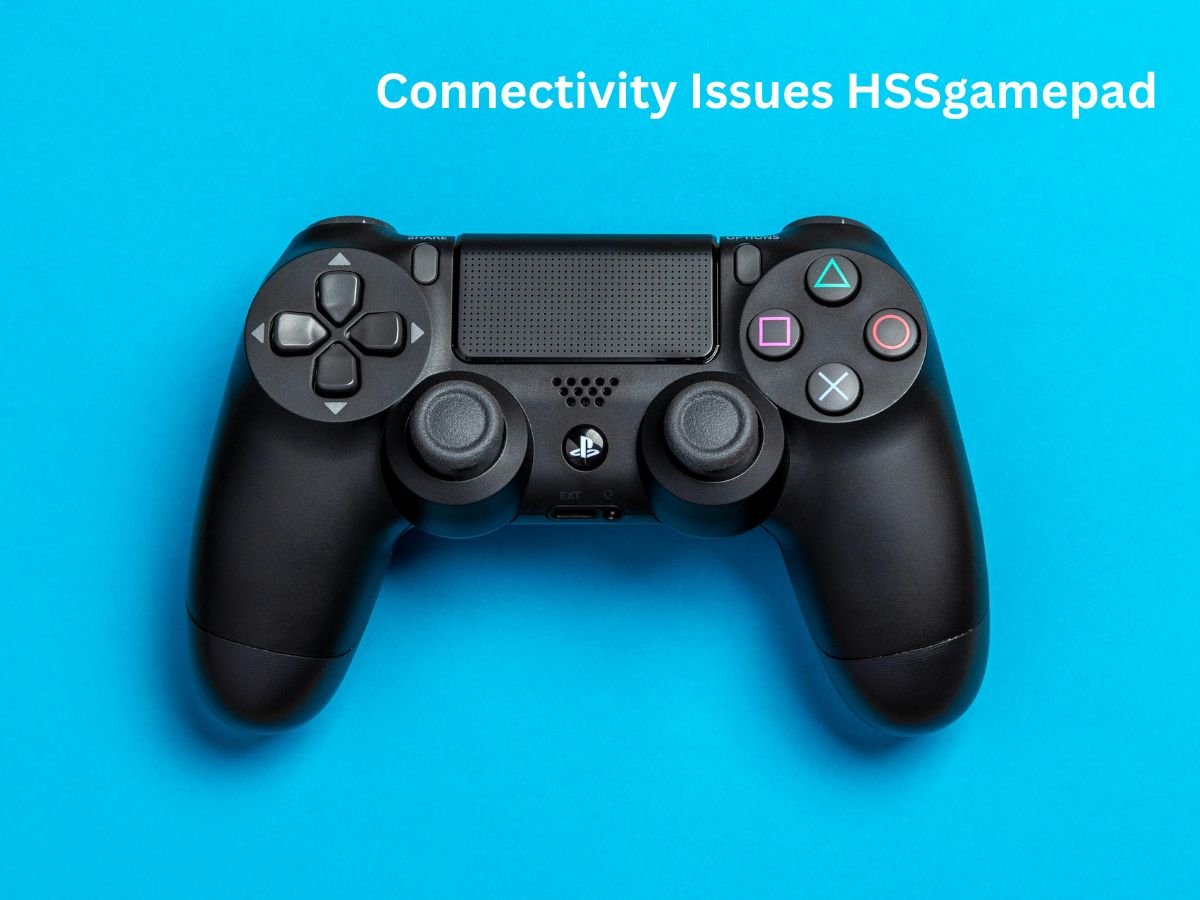
Understanding HSS Gamepad Connectivity Issues
The HSS gamepad is a popular choice among gamers for its ergonomic design, responsive controls, and versatile connectivity options. These gamepads typically operate through wired or wireless means, allowing users to choose the most suitable mode for their gaming setup. However, despite advancements in technology, users may still encounter various connectivity issues hssgamepad, leading to frustration during gameplay.
Wired connections generally promise a stable experience, connectivity issues hssgamepad but they can still suffer from problems like cable damage or poor connectivity due to malfunctioning ports. Wireless connections, while offering the convenience of mobility, can be even more prone to issues. Users might experience lag, unexpected disconnections, or failure to establish a connection altogether. These problems can stem from multiple factors, such as interference from other wireless devices, low battery levels, or outdated drivers.
When faced with connectivity issues hssgamepad, users often report several common symptoms. These may include noticeable input lag, where commands are delayed, which can affect gameplay performance. Additionally, disconnections during play can lead to a detrimental gaming experience, leaving users puzzled and frustrated. In some cases, the gamepad may not be recognized by the system at all, prompting users to troubleshoot further.
Understanding the underlying technology and common issues associated with HSS gamepad connectivity is essential for an effective troubleshooting approach. By identifying the potential causes of connectivity problems and implementing appropriate solutions, users can enhance their gaming experience. In the subsequent sections, we will delve deeper into specific troubleshooting steps to address these connectivity issues hssgamepad effectively.
Common Causes of Connectivity Problems
connectivity issues hssgamepad can arise from various factors that affect their performance and usability. Understanding these potential causes can assist users in diagnosing and resolving their concerns.
One common source of connectivity problems is hardware malfunctions. Gamepads are intricate devices, and any physical damage or internal failure can disrupt their ability to connect effectively. Issues such as damaged USB ports or faulty internal components may lead to intermittent or complete disconnection, making it challenging for users to maintain a stable gaming experience.
Interference from other wireless devices often contributes to major connectivity issues hssgamepad generally operate on specific wireless frequencies that could be shared with other gadgets like routers, microwaves, or even wireless speakers. When these devices are in close proximity, they may create a crowded frequency environment, resulting in disrupted signals and connectivity struggles. It is advisable to minimize the number of competing devices nearby or relocate to a less congested area for optimal connectivity.
Another significant factor is the use of outdated drivers or firmware. connectivity issues hssgamepad can stem from the gamepad not being updated with the latest software, which can lead to incompatibility with the current operating system or gaming platform. Regularly checking for and installing software updates is crucial to ensure seamless communication between the gamepad and gaming devices.
Lastly, compatibility problems between the HSS gamepad and various gaming systems can often lead to frustrating experiences. Some gamepads may not support certain platforms or require specific drivers that are not readily available. Users should verify the compatibility of their gamepad with their particular gaming system to avoid such problems. By being aware of these factors, users can better troubleshoot their connectivity issues hssgamepad and enhance their gaming experience.
Troubleshooting Connectivity Issues
Experiencing connectivity issues hssgamepad can be frustrating, but identifying and resolving these problems can often be straightforward. First, verify that all connections are secure. This involves inspecting the physical connections, including the USB or wireless dongle and ensuring they are firmly plugged into the correct port. If the gamepad uses batteries, confirm that they are not depleted and are correctly installed.
If the initial check does not yield success, the next step is to reset the gamepad. Most HSS gamepads feature a reset button that can be activated using a small pin or similar object. Holding this button for approximately 10 seconds may restore the factory settings and resolve any minor software glitches contributing to the connectivity issues hssgamepad.
Updating the gamepad’s software is another critical step. Visit the official HSS website or your specific console manufacturer’s page to download the latest updates. Keeping your software up-to-date not only improves performance but also fixes bugs that could affect connectivity. After updating, restart both the gamepad and the hosting device to ensure changes take effect.
In addition, consider checking the compatibility of your gamepad with the device. HSS gamepads are typically designed to work with specific operating systems and platforms; cross-compatibility might lead to connection problems.
If after trying these methods, you still face connectivity issues with your HSS gamepad, performing a complete system reboot may be worth considering. Restarting your console or PC can clear temporary caches and processes that could be interfering with the connection.
By following these troubleshooting steps diligently, you can potentially resolve common connectivity issues with your HSS gamepad, ensuring a seamless gaming experience.
Preventing Future Connectivity Issues
Ensuring seamless connectivity when using your connectivity issues hssgamepad is essential for an enhanced gaming experience. To prevent potential connectivity issues, there are several proactive measures users can adopt.
Firstly, regular maintenance of your gamepad can significantly reduce the likelihood of connectivity challenges. This includes cleaning the device to remove dust and debris, which can obstruct signal pathways. Furthermore, regularly examining the condition of the charging cable and ports is crucial. Any signs of wear should prompt immediate replacement to maintain effective power delivery.
Updating the gamepad’s software is another critical step to prevent connectivity issues. Software developers typically release updates that address bugs and enhance device performance. Always ensure that your HSS gamepad is running the latest firmware; this can be done by visiting the manufacturer’s website or using a companion app if available.
Moreover, users should be mindful of the recommended operating ranges for their gamepad. Maintaining an optimal distance from the paired device can prevent interference that may lead to connectivity problems. Wireless signals can be adversely affected by physical obstructions or competing signals, so a clear environment is beneficial. Avoid using the gamepad in areas with heavy electronic interference, such as near microwaves or Wi-Fi routers.
Lastly, understanding how to store and handle your HSS gamepad appropriately is vital. By keeping the device in a protective case when not in use and avoiding extreme temperatures, you can extend its life and functionality. Awareness of how to properly treat your gamepad will play a significant role in sustaining its connectivity capabilities.
By implementing these preventive strategies, HSS gamepad users can enhance their gaming experience and mitigate future connectivity issues effectively.
