

A Glance at Iran’s Historical Significance
Iran, a country with a storied past, has been home to some of the world’s greatest ancient civilizations. From the Elamites, known for their intricate art and early urban centers, to the majestic rise of the Persians and the Achaemenid Empire, the region has consistently played a pivotal role in shaping human history. The legacy of these civilizations is evident in Iran’s rich archaeological sites, such as Persepolis, which once served as the ceremonial capital of the Persian Empire.
Throughout antiquity, Iran was not only a geographical crossroads but also a melting pot of cultural exchange, influencing art, science, and philosophy across continents. For instance, the Persian Empire encompassed diverse cultures, facilitating the flow of knowledge and innovations. The establishment of the Royal Road exemplified this, enabling efficient communication and trade, which were critical for cultural proliferation and political cohesion.
In addition to the Persian Empire, the contributions of Iran to science and literature are profound. Thinkers like Avicenna, known for his pioneering work in medicine and philosophy, emerged from this rich tapestry of scholarly endeavors. Iranian poets and artists, through their exquisite verse and visual storytelling, have continued to influence global literature and arts.
Moreover, Iran’s historical significance extends to its impact on politics. The principles of governance established during the Achaemenid period are studied to this day, showcasing a sophisticated approach to administration and diplomacy that resonates in contemporary governance models. As one examines how these historical elements have coalesced, it becomes evident that the enduring identity of Iran is deeply rooted in its remarkable past.
Cultural Diversity in Iran
Iran is a country marked by a rich tapestry of cultures, resulting from its historical evolution and geographical position. The nation is home to numerous ethnic groups including Persians, Azeris, Kurds, Arabs, and Balochs, each contributing uniquely to the vibrant social and cultural landscape. This blend of cultures is evident in various aspects of daily life, from language and art to music and cuisine.
The official language is Persian, yet many other languages are spoken across different regions, reflecting the diversity of ethnic groups. For instance, Azeri is commonly spoken in the northwest, while Kurdish is prevalent in the western regions. This linguistic variety is not just a means of communication but a crucial element of cultural identity in Iran.
Iranian art is another significant expression of its cultural diversity. Traditional crafts such as carpet weaving, calligraphy, and tile work showcase the intricate skills passed down through generations. These crafts often embody historical narratives, religious themes, and regional characteristics, making them essential to understanding Iranian culture. The architectural splendor found in mosques and historical buildings across the country further attests to this cultural richness.
Music and cuisine also highlight Iran’s diversity. Various musical styles resonate throughout the nation, from classical Persian music to regional folk songs, each offering a glimpse into local traditions. Iranian cuisine, known for its flavorful dishes, varies significantly across regions, influenced by local ingredients and cultural practices. Festivals, such as Nowruz (the Persian New Year), are celebrated nationwide, symbolizing the unity of diverse cultures while allowing for regional expressions of heritage.
In conclusion, the cultural diversity found within Iran is a testament to the country’s historical depth and the harmonious coexistence of different ethnic groups. This amalgamation of traditions and practices enriches the social fabric of modern Iranian society, providing a vibrant and dynamic environment for all its inhabitants.
Iran’s Modern Economy and Development
The contemporary economy of Iran is marked by a blend of traditional and modern industry sectors, with oil and gas extraction forming a cornerstone of its economic structure. Indeed, Iran possesses one of the largest reserves of crude oil and natural gas in the world, which has established it as a significant player in global energy markets. The oil industry’s contribution to the national revenue is substantial, being a primary source of foreign currency that underpins other economic activities. However, the heavy reliance on oil exports has also made the Iranian economy susceptible to fluctuations in global oil prices.
Apart from hydrocarbons, agriculture plays another vital role in Iran’s economy, with the country being one of the leading producers of various crops, including saffron, pistachios, and wheat. The governmental policy aims to enhance food security while expanding agricultural exports, thus contributing to a diversified economic foundation. This diversification is crucial, especially in light of the challenges imposed by international sanctions, which have negatively impacted trade and investment flows.
The technology sector in Ir an has witnessed significant growth in recent years, with advancements in areas such as information technology, startups, and telecommunications. The government has recognized the importance of fostering a robust tech industry to stimulate local employment and reduce dependency on traditional industries. Investment in infrastructure development, including transportation and telecommunications, is also critical for promoting economic activity and attracting foreign direct investment.
Despite the ongoing challenges, such as political tensions and economic sanctions, Ir an continues to explore opportunities for economic development and integration into the global market. The strategic location of Ir an, connecting major regional markets, positions it as a potential hub for trade and investment if geopolitical barriers can be addressed. As Ir an navigates these complexities, it remains committed to pursuing modern economic practices that could reshape its future.
The Future: Challenges and Opportunities for Iran
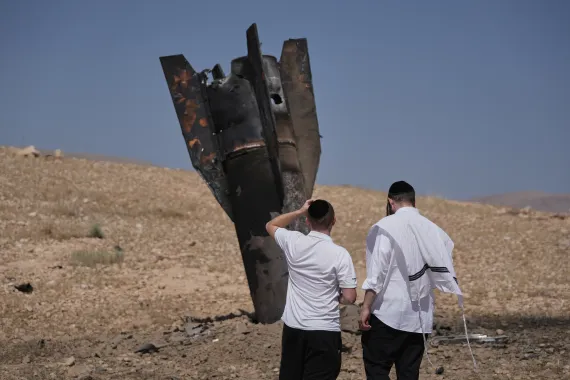
The future of Iran is poised at a crossroads, influenced by a myriad of challenges and opportunities that could shape its trajectory for years to come. Politically, Iran grapples with both internal and external pressures, including ongoing sanctions that stifle economic growth and affect the everyday lives of its citizens. These sanctions are primarily a response to geopolitical tensions, particularly regarding Iran’s nuclear program. As a result, the economy has faced significant hurdles, leading to inflation and unemployment that have strained resources and diminished public confidence in the government.
Moreover, human rights issues continue to mar Iran’s image on the global stage. The demand for political reform and greater civil liberties persists among the populace, particularly among the youth. This demographic, which comprises a substantial portion of Iran’s population, has proven to be an essential catalyst for change, advocating for more freedoms and participation in governance. Their increasing engagement in political discourse highlights an opportunity for Iran to leverage the energy and innovation of its younger citizens to foster reform and enhance democratic processes.
In addition to these challenges, environmental concerns present a pressing issue for Ir-an, particularly water scarcity and pollution that threaten both public health and agricultural productivity. Addressing these challenges through sustainable practices offers Ir-an a pathway towards securing a healthier future and boosting its economy through green technologies.
Despite these obstacles, there are various opportunities for growth and development. As Ir an continues to navigate its complex political landscape, it has the potential to enhance its global standing by fostering economic partnerships and engaging in dialogues that promote regional stability. By harnessing the capabilities of its youth and addressing pressing reforms, Ira n can position itself as a pivotal player on the world stage, making strides toward a vibrant and resilient future.
