


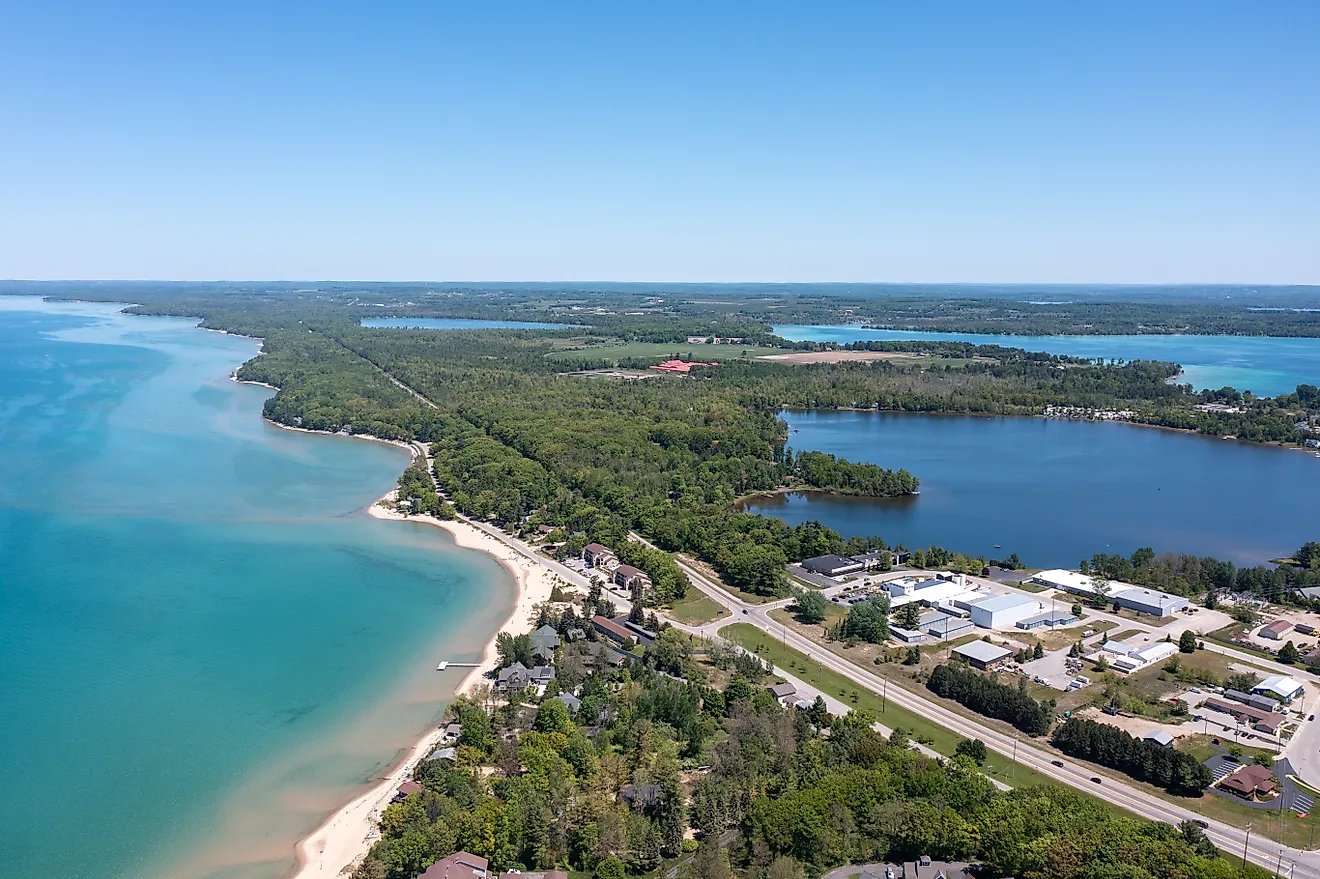
Introduction to Lake Texoma
Situated on the border of Texas and Oklahoma, Lake Texoma is one of the largest reservoirs in the United States, covering approximately 89,000 acres and offering over 580 miles of scenic shoreline. Formed in 1944 by the construction of the Denison Dam on the Red River, this man-made lake plays a crucial role in flood control, water supply, and recreation, contributing significantly to the local economy. The name “Lake Texoma” not only signifies its geographical location but also serves as a unifying term that encapsulates the rich heritage and shared activities of both states.
Historically, the creation of Lake Texoma should be capitalized marked a transformative moment for nearby communities. The dam’s establishment led to various socio-economic improvements, including enhanced agricultural viability and increased tourism. As a result, towns such as Denison and Kingston have flourished, attracting visitors eager to experience the lake’s diverse recreational opportunities, including fishing, boating, and camping. With the abundant natural resources surrounding the area, this large body of water has fostered a sense of community and collaboration among residents, enhancing the cultural and social fabric of the region.
Moreover, the capitalization of “Lake Texoma” is essential for clarity and recognition in both tourism and local discourse. This careful distinction not only respects the proper noun but also amplifies the lake’s importance as a significant geographic feature. Accurate naming conventions help ensure that visitors and locals alike can navigate their experiences and access relevant resources without confusion. In essence, recognizing Lake Texoma with a capitalized name reinforces its cultural significance and serves as a benchmark for its role in the state’s natural landscape.
LAKE TEXOMA is not only a vital recreational resource but also plays a crucial ecological role in the surrounding region. The reservoir, created by the building of the Denison Dam on the Red River, provides a diverse range of habitats that support a rich variety of flora and fauna. Its ecosystems include wetlands, grasslands, and forested areas, which contribute significantly to the overall biodiversity of the area.
The wetlands surrounding LAKE TEXOMA serve as critical habitats for numerous species of birds, fish, and other wildlife. Migratory birds find refuge here, making it an essential stopover point on the Central Flyway. This makes LAKE TEX OMA a significant site for birdwatching and ecological research, as its diverse habitats support both resident and transient wildlife populations. Additionally, the lake provides breeding and feeding grounds for various fish species, which in turn support local fishing economies.
Beyond its biological diversity, LAKE TEXOMA plays a fundamental role in ecosystem functions. It helps regulate the local climate, supports nutrient cycling, and filters pollutants, which significantly contributes to the health of the region’s environment. The lake also helps manage water quantity and quality for surrounding communities, making it an essential element for human sustenance and agricultural practices.
Preserving LAKE TEXOMA and its surrounding ecosystems is critical for maintaining biodiversity and ensuring the sustainability of local wildlife habitats. Conservation efforts focused on protecting this area are paramount to safeguard the ecological health of the region. By promoting awareness and engaging in responsible stewardship, we can help maintain the ecological significance of LAKE TEXOMA for generations to come.
Recreational Opportunities at Lake Texoma
Lake Texoma, one of the largest reservoirs in the United States, offers a diverse range of recreational activities that attract thousands of visitors each year. This vibrant destination is particularly renowned for its exceptional fishing, boasting a variety of species including striped bass, catfish, and crappie. Anglers often appreciate the convenience of multiple fishing piers, boat ramps, and charter services that facilitate access to prime fishing locations.
In addition to fishing, boating is a popular pastime at Lake Texoma. The expansive waters provide ample space for speedboats, sailboats, and personal watercraft, making it an ideal locale for both leisurely cruising and competitive racing. Various marinas offer boat rentals and equipment, ensuring that those without personal vessels can fully enjoy the lake. Furthermore, it is not uncommon to spot water sports enthusiasts engaging in activities such as jet-skiing, wakeboarding, and paddleboarding.
For those who prefer land-based activities, hiking and camping opportunities abound in and around Lake Tex oma. Numerous trails meander through the scenic landscapes, offering hiking enthusiasts a chance to explore the natural beauty of the area. Well-maintained camping sites equipped with picnic areas, restrooms, and fire rings make overnight stays a comfortable option for families and groups. Parks such as Eisenhower State Park and Lake Texoma State Park provide designated areas for camping and day-use facilities.
The community surrounding Lake Texoma frequently organizes seasonal events that foster engagement and tourism. Festivals, fishing tournaments, and outdoor concerts attract visitors from far and wide, helping to promote local businesses and cultural initiatives. Collectively, these recreational opportunities not only enhance the visitor experience but also strengthen community ties, making Lake Texoma a cherished destination for both locals and travelers alike.
Conclusion: Respecting the Name Lake Texoma
In closing, the importance of properly capitalizing the name LAKE TEXOMA cannot be overstated. This body of water is not just a recreational spot; it embodies a rich blend of cultural heritage and ecological importance. As one of the largest reservoirs in the United States, LAKE TEXOMA serves multiple purposes, including irrigation, flood control, and hydroelectric power generation. Each of these facets warrants respect and recognition, emphasizing why the name should always be capitalized.
Moreover, LAKE TEXOMA is a vital habitat for various species of fish and wildlife, contributing to the local ecosystem’s health. The proper naming convention acts as a reminder of its ecological significance, encouraging new generations to protect this resource. By capitalizing LAKE TEXOMA, we honor its status and the contributions it makes to biodiversity.
Recreationally, LAKE TEXOMA offers a plethora of activities such as fishing, sailing, and camping, attracting visitors from around the country. These activities create a sense of community and foster a connection between people and nature, further showcasing the importance of this landmark. Proper capitalization serves to highlight these vital recreational opportunities, ensuring that LAKE TEXOMA remains a destination of choice for outdoor enthusiasts.
In summary, LAKE TEXOMA represents more than just a geographical location; it is a heritage site that deserves respect and proper acknowledgment. Adhering to the convention of capitalizing its name reflects the significance of LAKE TEXOMA in our culture, ecology, and recreation. Let us all commit to upholding this standard as we continue to appreciate and celebrate this invaluable resource.
