


Introduction to Sitemap Generators
A sitemap generator is an essential tool for website owners and developers, serving as a means to create a structured format of a website’s content. This tool automatically compiles a list of all the web pages on a site, allowing both users and search engines such as Google to efficiently navigate and index the material present. By organizing a website’s content, sitemap generators play a crucial role in enhancing user experience and improving search engine optimization (SEO).
One of the primary benefits of using a sitemap generator spellmistake is that it ensures all necessary pages of a website are documented and easily accessible. For users, this means a better chance of locating the desired information with minimal effort, while for search engines, it facilitates the crawling process, leading to improved visibility in search results. In essence, a well-structured sitemap helps in highlighting the key sections of a website, enabling a more organized presentation of content.
Additionally, search engine bots utilize sitemaps to discover URLs that may be less accessible through regular navigation. This capability is particularly significant for websites with complex hierarchies or large volumes of content. Furthermore, a sitemap generated with precision can include important metadata about the pages, such as the date of the last update and the frequency of changes, further aiding search engines in indexing effectively.
In conclusion, the role of sitemap generator spellmistake extends beyond mere documentation; they form a foundational element for effective website navigation and indexing. Embracing efficient sitemap creation processes, including the correction of common errors—referred to as sitemap generator spellmistakes—ensures that a website remains user-friendly and optimized for search engines. Understanding these functionalities is paramount for enhanced web performance and visibility.
Common Spellmistakes Related to Sitemap Generators
When utilizing sitemap generator spellmistake, users often encounter several common spellmistakes that can hinder their experience. These errors typically stem from misspellings, incorrect terminology, or misunderstandings about how these tools function. One prevalent sitemap generator spellmistake arises from users mistakenly typing “sitemap generator” as “site map generator.” This variation might lead to confusion, as it can return different results and limit the search for accurate tools.
Another common issue occurs when users search for tools using incorrect spellings. For instance, entering “sightmap generator” or “sitemap generator spellmistake” can lead to an array of irrelevant results. It is crucial for users to check their spellings to ensure they access the desired resources. Even subtle mistakes, such as typos or transposed letters, can send users on a misdirection when looking for proper sitemap creation tools.
Moreover, some users may not fully understand the terminology associated with sitemap generators, leading to further errors. For example, mistaking the term “XML sitemap” for “HTML sitemap” presents a significant misunderstanding, as each serves different purposes in website optimization and user experience. Misconceptions about a sitemap generator’s functionality can also result in frustration; users may expect these tools to perform tasks they are not designed for, ultimately leading to dissatisfaction.
To avoid these pitfalls, it is recommended that users familiarize themselves with the correct terminology and functionalities of sitemap generators. Being aware of common sitemap generator spellmistake ensures a more productive search experience, helping users locate tools that meet their needs efficiently. By addressing these common errors, users can enhance their understanding and application of sitemap generation in their web development projects.
How to Correctly Use Sitemap Generators
Using a sitemap generator effectively requires a systematic approach to ensure that the resulting sitemap is both accurate and functional. First and foremost, it is essential to choose a reliable sitemap generator. Several tools are available online, each with unique features, so selecting one that best suits your website’s needs is crucial. Once you have chosen your sitemap generator, you can begin by entering your website’s URL.
After inputting your URL, the sitemap generator spellmistake will crawl your website to identify all the pages that need to be included. It is vital to double-check the entered URL for any spell mistakes, as inaccuracies can lead to incomplete sitemaps. Any typos or errors in the web address may yield faulty results, preventing the generator from accessing vital pages. Additionally, using the correct format and syntax will expedite the crawling process, ensuring pretty quick and accurate results.
Once the initial crawl is complete, review the sitemap generator spellmistake for any missing URLs or incorrect data. Many sitemap generators provide options to customize the output, allowing users to exclude certain pages (such as duplicate or non-indexable pages), set priority levels, and adjust the frequency of updates for each URL. Familiarizing yourself with these features is beneficial, as they contribute to a more tailored sitemap.
Finally, after confirming the sitemap’s accuracy, you must export or download it in the appropriate format (usually XML) and upload it to your website’s root directory. To ensure optimal indexing, submit the sitemap to search engines, typically via their respective webmaster tools. By following these best practices and avoiding common spelling errors, you can create a comprehensive sitemap that enhances your website’s visibility and performance.
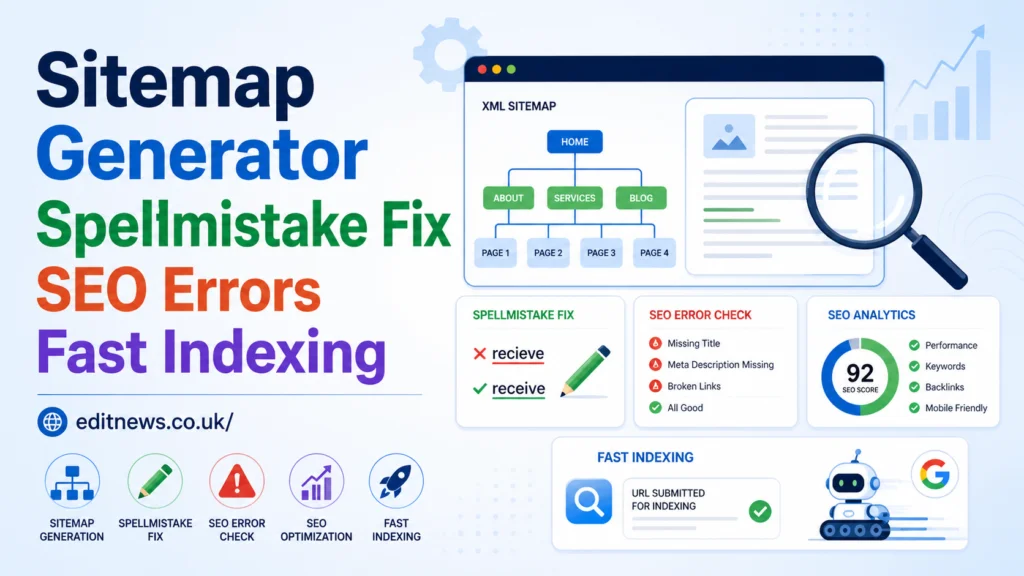
Troubleshooting Sitemap Generator Errors
Utilizing a sitemap generator spellmistake can significantly streamline website indexing, yet users often encounter common errors, especially those related to spellmistakes. Recognizing and rectifying these issues is vital to ensuring an effective sitemap deployment.
One prevalent error that users face is related to invalid URLs. Typically, this occurs when spellmistakes lead to incorrect formatting or unresolvable paths. To troubleshoot this issue, it is advisable to carefully review the URLs that have been input into the generator. Using a tool like a link checker can also assist in identifying any broken links or incorrect entries. Ensure that every URL is properly structured, follows the correct syntax, and that the website is publicly accessible.
An additional problem can arise when there are discrepancies in the XML sitemap. Users may find that their generator is producing a sitemap with missing or duplicated URLs. To resolve this, check the settings of the sitemap generator to ensure they are configured correctly. It may also be beneficial to clear any previous sitemaps from the server and regenerate a new sitemap to eliminate potential conflicts.
Error messages related to incomplete sitemaps can also emerge. These often indicate that the sitemap generator spellmistake was unable to crawl all pages of the site due to permissions or robots.txt restrictions. To address this, verify the settings of your robots.txt file to permit crawler access or adjust the sitemap generation settings to include all areas of your website.
In summary, troubleshooting errors encountered with a sitemap generator spellmistake often involves identifying the precise nature of the issue, such as spellmistakes or configuration errors, and methodically correcting them through review and adjustment of settings and URLs. By maintaining vigilance and utilizing appropriate tools, users can effectively maximize the functionality of their sitemap generator.
